
August 17, 2023
Types of Root Canal Treatment
 By the Premier Dental Esthetics team, led by Dr. Peter S. Young, DDS, MAGD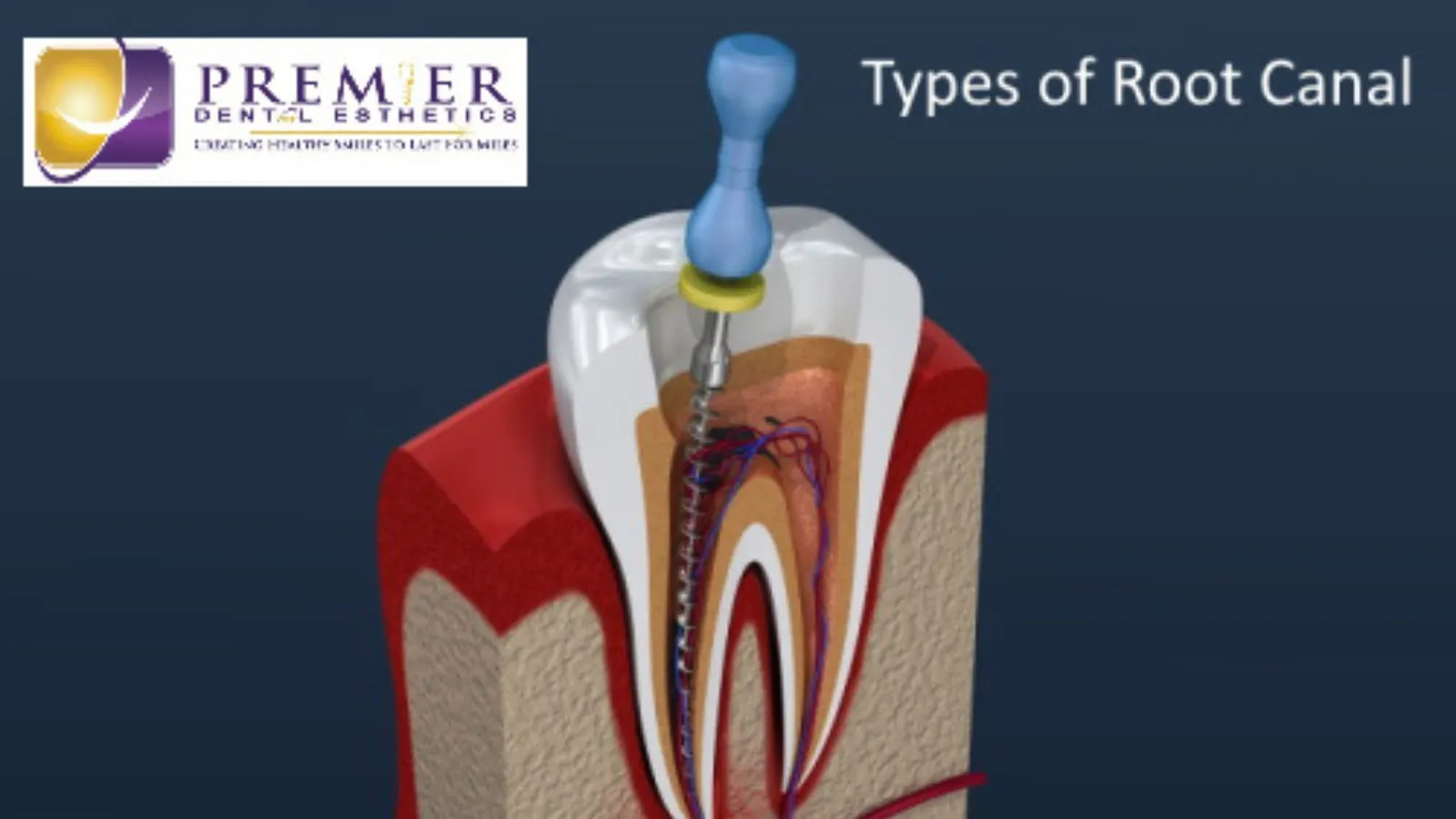
There are different types of root canal treatments, including nonsurgical root canal treatment, apicoectomy, pulpotomy, and pulpectomy. Nonsurgical root canal treatment is the most common and involves the dentist drilling down deeper than a regular filling to clean the canal. An apicoectomy, or endodontic microsurgery, involves removing the root tip and surrounding tissue. In a pulpotomy, only a portion of the tooth’s pulp is removed, while the roots are preserved. A pulpectomy, on the other hand, removes the pulp from all parts of the tooth, including the roots. Understanding the different types of root canal treatments can help you make an informed decision about which one is right for you.
Types of Root Canal
Non-surgical Root Canal Procedure
The most common root canal procedure is the non-surgical type to protect your natural tooth. This type of procedure is typically painless and similar to receiving a deep filling. The dentist will drill down deeper than during a regular filling to access the root canal and clean it, protecting your natural tooth. Understanding the non-surgical root canal procedure can alleviate any fears or concerns you may have about the process.
Apicoectomy Surgery
An apicoectomy targets the end or tip of a tooth’s root, also known as root-end resection. This procedure is sometimes referred to as endodontic microsurgery. When a standard root canal treatment is insufficient, an apicoectomy may be necessary. During an apicoectomy, the dentist will remove the tooth’s root tip and surrounding tissue by making an incision in the gum tissue near the tooth. Damaged tissue will be excised, including a small portion of the root tip. A root-end filling will then be used to fill the area and prevent re-infection of the root. Understanding the apicoectomy procedure can help alleviate any concerns or anxiety you may have about the process.
Pulpotomy and Pulpectomy
Both pulpotomy and pulpectomy procedures aim to remove infected pulp tissue. A pulpotomy involves the partial removal of a tooth’s pulp, while leaving the roots intact. This procedure is typically performed on children as a pediatric root canal treatment. Mineral trioxide aggregate, ferric sulphate, and calcium hydroxide are commonly used materials in pulpotomy. A pulpotomy is necessary if the decay or trauma is limited to the tooth’s crown. On the other hand, a pulpectomy is also commonly performed on children. This procedure involves the complete removal of infected pulp tissue from both the tooth’s crown and root. A pulpectomy is necessary if the tissue in both the tooth’s crown and root is infected. Understanding the differences between these two procedures can help alleviate any concerns or questions you may have regarding the treatment.
Root Canal Retreatment Procedure
A root canal retreatment involves removing the previous treatment’s material to cleanse the root canal and prevent infection. The dentist will remove any infection from the tooth and replace the filling materials. A root canal retreatment is necessary if there is new decay or damage to the tooth. It can be done multiple times if needed and typically takes 90 minutes to complete.
Waterlase System Laser Dentistry
The WaterLase is an advanced dental technology that eliminates the need for drills or scalpels during dental procedures. With the use of a water-energized laser beam, the WaterLase system provides a painless and comfortable experience. By combining water, air, and laser energy, the WaterLase system effectively reduces bacteria and removes decay with precision. Consider using Waterlase for a more comfortable and accurate dental procedure.
Read Causes of Pain after a Root Canal.
Purpose of Different Types of Root Canal Procedures
There are various root canal removal procedure available that prioritize both your comfort and oral health. The GentleWave procedure utilizes soundwaves and fluids to eliminate infected tissue, debris, and bacteria. This method is less invasive than traditional treatments. The BIOLASE Waterlase system employs light, water, and air to eliminate bacteria from the root canals. Endodontic microsurgery is necessary if the treatment performed on the root apex of an infected tooth is unsuccessful. Root canal retreatment involves the removal of the previous filling material, cleaning the area, and replacing it with new materials.
What is the Difference Between a Non-surgical Root Canal Treatment and an Apicoectomy?
A non-surgical root canal procedure requires drilling deeper than a regular filling to reach the root canal for cleaning. On the other hand, an apicoectomy involves the removal of the tooth’s root tip and filling of the root end cavity.
Can a General Dentist Perform Any Type of Root Canal?
Yes, any type of root canal can be performed by a general dentist as they are all trained on how to do the treatment.
Is It Better to Perform Root Canal Retreatment Instead of Tooth Extraction?
Yes, a root canal retreatment is a preferable option to extraction for treating an infected tooth. During the retreatment, the dentist removes the infection and replaces the filling materials. Extraction is only necessary if the tooth is severely decayed or beyond repair.
Dr. Peter S. Young at Premier Dental Esthetics is a dentist who specializes in root canal treatment. Dr. Peter S. Young looks forward to restoring the health of your teeth.
What is there to know about Root canal other than its types?
A root canal treatment is a procedure aimed at saving a badly damaged or infected tooth, commonly achieved through nonsurgical means. It is typically considered as a last resort before a tooth extraction becomes inevitable. Root canals are recommended when there is pain or swelling caused by bacteria that have infiltrated the pulp inside the tooth. Delaying treatment can negatively impact your oral health and make you more susceptible to severe health issues.
During the procedure, the Root canal dentist will eliminate the infection from inside the tooth, disinfect the root, and seal the space with a filling. After a few weeks, the temporary filling is removed, and a permanent crown is placed. To avoid the need for a root canal treatment, it’s important to maintain good oral hygiene by brushing your teeth regularly.
Have a question about your smile?
Dr. Peter S. Young and Dr. Clifford S. Young are happy to help. Schedule a visit or give us a call.


Patient reviews
What our patients say
“I had been going to Dr. Peter Young for many years at Premier Dental and he and his staff have always been incredibly professional and welcoming. Dr. Young is very knowledgeable in his field and I have always had a very positive experience at this dental office.”
“Dr Young did an excellent job filling my cavities and fitting my crown. I’ve been taken care of by Dr Young and his wonderful staff for over 10 years and my family trusts them 100%. If they have time for new patients you will be glad to have Dr Peter Young as your dentist.”
“Dr. Peter Young is an amazing dentist with his patient's well being at the forefront. He's very knowledgable in the dental field and is always on the lookout of how he can continue to improve the lives of his patients. The facility is beautiful and immediately alleviated my fears of the dentist. The staff is the icing on top of the cake.”
Common questions
Frequently asked questions
Can’t find your answer? Ask our virtual assistant in the corner, or call our front desk.
Does a root canal hurt?
Root canal treatment is performed with local anesthetic and is typically about as comfortable as getting a filling. It relieves the pain caused by an infected or inflamed tooth nerve.
What are signs I might need a root canal?
Lingering sensitivity to hot or cold, severe toothache, pain when biting, a darkened tooth, or swelling near a tooth can all be signs. Only an exam and x-ray can confirm it.
What counts as a dental emergency?
Severe toothache, a broken, cracked or knocked-out tooth, swelling or infection, a lost filling or crown, and bleeding that won’t stop are all reasons to call right away.
What should I do if I have a dental emergency?
Call (626) 445-2536 immediately — same-day emergency appointments are available. If you have facial swelling that affects breathing or swallowing, go to the nearest emergency room or call 911.
Are existing patients covered after hours?
Yes. Patients of Dr. Young are covered at all times for dental emergencies, and Dr. Young is available after hours for emergencies.
Do you accept dental insurance?
Yes. The practice accepts PPO dental insurance, including Delta Dental PPO and Cigna Dental PPO, and the team will verify your benefits and help you maximize your coverage.
Your new smile starts here
Ready to create the smile of your dreams?
New patients and emergencies welcome. Same-day appointments, early-morning and evening hours.