
September 20, 2024
Can a root canal be done without epinephrine?
 By the Premier Dental Esthetics team, led by Dr. Peter S. Young, DDS, MAGD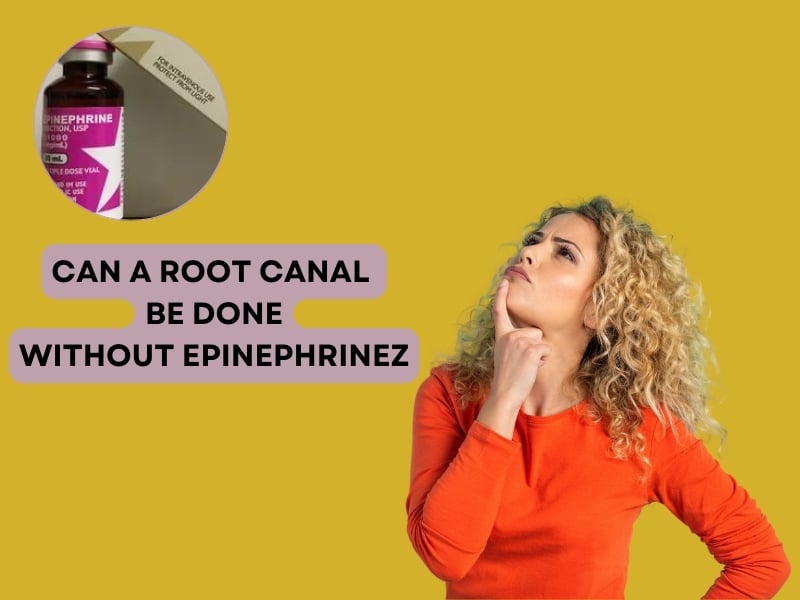
Root canals are common dental procedures aimed at saving damaged teeth. During these treatments, dentists often use local anesthetics to minimize pain. A frequent component of these anesthetics is epinephrine. This raises an important question: can a root canal be done without epinephrine?
Understanding the role of epinephrine in dental work helps patients make informed decisions about their care. Let’s explore the use of epinephrine in root canals and the available alternatives.
Understanding Epinephrine in Dentistry
What is Epinephrine?
Epinephrine is a natural hormone and neurotransmitter. In dentistry, it acts as a vasoconstrictor, narrowing blood vessels to help control bleeding during procedures. By doing so, epinephrine enhances the effectiveness of local anesthetics, ensuring patients remain comfortable throughout their treatment.
Why is Epinephrine Used in Dental Procedures?
Dentists frequently use epinephrine in local anesthetics for several reasons. First, it prolongs the anesthetic effect by slowing the medication’s absorption into the bloodstream, allowing for longer-lasting pain relief.
Second, by constricting blood vessels, epinephrine reduces bleeding during procedures. This provides a clearer field for the dentist and contributes to a more comfortable experience for the patient. Thus, epinephrine plays a crucial role in enhancing patient comfort and safety.
Concerns About Epinephrine in Root Canals
Allergic Reactions and Sensitivities
Some patients may have allergic reactions or sensitivities to epinephrine. Symptoms can include rapid heart rate, anxiety, or increased blood pressure. These reactions can cause discomfort and stress during dental procedures.
Patients with Health Conditions
Certain medical conditions make it advisable to avoid epinephrine. For example, individuals with heart conditions or hypertension may face increased risks. Patients with anxiety disorders may also prefer to skip epinephrine due to its stimulating effects. Understanding these concerns is essential for ensuring patient safety and comfort.
Preference for Non-Epinephrine Solutions
Many patients express a preference for alternatives to epinephrine. Some do so for personal reasons, while others may have medical advice to avoid it. Discussing these preferences with a dentist can lead to a more tailored and comfortable treatment experience.
Yes, It’s Possible
Yes, a root canal can be performed without using epinephrine. Many dentists can provide anesthesia options that do not contain this vasoconstrictor, making it a feasible choice for patients concerned about its effects. For individuals with specific health conditions or personal preferences, opting for a non-epinephrine approach is a valid and often safe alternative.
Alternative Anesthetic Solutions
Dentists can utilize several effective anesthetic alternatives that do not include epinephrine. Mepivacaine and carbocaine are two commonly used options. Mepivacaine provides adequate pain relief while minimizing potential side effects associated with epinephrine.
Carbocaine, another alternative, is favored for its effectiveness without causing the stimulating effects often linked to epinephrine. These alternatives allow dentists to ensure patient comfort while addressing concerns about using epinephrine.
Duration and Effectiveness of Non-Epinephrine Anesthetics
While non-epinephrine anesthetics can effectively numb the area for a root canal, there are some differences to consider. One notable aspect is the duration of numbness; non-epinephrine options may not last as long as those that include epinephrine. Patients might experience a return of sensation sooner, which could lead to discomfort if the procedure is lengthy.
Additionally, higher doses of these alternatives may sometimes be required to achieve the desired level of numbness. This means that, while they are effective, the overall experience might vary compared to traditional anesthetics containing epinephrine.
Discussing these factors with your dentist can help you choose the best anesthetic option for your specific needs, allowing for a comfortable and efficient root canal procedure.
What to Expect Without Epinephrine?
Pain Management
When dentists perform root canals without epinephrine, they rely on other methods for pain management. This may include administering larger doses of alternative anesthetics or additional sedation techniques. Dentists ensure that patients remain comfortable throughout the procedure.
Bleeding and Swelling
One difference patients might notice is increased bleeding or swelling. Since epinephrine constricts blood vessels, its absence can lead to more bleeding during the procedure. However, dentists are trained to manage this effectively.
Procedure Duration
Patients can generally expect a similar overall experience without epinephrine. However, the duration of numbness may be shorter. Recovery time might vary slightly, but most patients find the differences manageable.
Who Should Consider Avoiding Epinephrine?
Patients with Specific Medical Conditions
Patients with certain health conditions should consider avoiding epinephrine. Those with hypertension or arrhythmia, for example, might benefit from alternative anesthetic options. Consulting a dentist about these conditions is crucial for safety.
Patients with Known Allergies
Individuals with known allergies to epinephrine should discuss this with their dentist. Understanding personal medical history is vital for determining the safest anesthetic options.
In summary, a root canal can be done without epinephrine. Effective alternatives exist, and patient safety should always come first. Contact your dentist for guidance if you have concerns about epinephrine or your anesthetic options. Open communication ensures you receive the best possible care tailored to your needs
Have a question about your smile?
Dr. Peter S. Young and Dr. Clifford S. Young are happy to help. Schedule a visit or give us a call.

Patient reviews
What our patients say
“Dr. Peter Young is an amazing dentist with his patient's well being at the forefront. He's very knowledgable in the dental field and is always on the lookout of how he can continue to improve the lives of his patients. The facility is beautiful and immediately alleviated my fears of the dentist. The staff is the icing on top of the cake.”
“Oh my goodness! I've stumbled upon the most amazing dental practice! After enduring a string of disappointing experiences with other dentists that nearly made me give up, I discovered this gem. The waiting room is stunning, boasting breathtaking views. Dr. Young possesses the patience of a saint—so genuinely nice and caring!”
“I contacted the office today after a 5-year gap in seeing Dr. Young due to relocation. Patty, who answered the phone, recognized me when I mentioned my name. She verified with my insurance and later informed me of the outcome. Their service remains excellent as ever.”
Common questions
Frequently asked questions
Can’t find your answer? Ask our virtual assistant in the corner, or call our front desk.
Does a root canal hurt?
Root canal treatment is performed with local anesthetic and is typically about as comfortable as getting a filling. It relieves the pain caused by an infected or inflamed tooth nerve.
What are signs I might need a root canal?
Lingering sensitivity to hot or cold, severe toothache, pain when biting, a darkened tooth, or swelling near a tooth can all be signs. Only an exam and x-ray can confirm it.
What counts as a dental emergency?
Severe toothache, a broken, cracked or knocked-out tooth, swelling or infection, a lost filling or crown, and bleeding that won’t stop are all reasons to call right away.
What should I do if I have a dental emergency?
Call (626) 445-2536 immediately — same-day emergency appointments are available. If you have facial swelling that affects breathing or swallowing, go to the nearest emergency room or call 911.
Are existing patients covered after hours?
Yes. Patients of Dr. Young are covered at all times for dental emergencies, and Dr. Young is available after hours for emergencies.
Do you accept dental insurance?
Yes. The practice accepts PPO dental insurance, including Delta Dental PPO and Cigna Dental PPO, and the team will verify your benefits and help you maximize your coverage.
Your new smile starts here
Ready to create the smile of your dreams?
New patients and emergencies welcome. Same-day appointments, early-morning and evening hours.