
September 7, 2026
When Should Your Child See an Orthodontist? Early Signs Parents Miss
 By the Premier Dental Esthetics team, led by Dr. Peter S. Young, DDS, MAGD
Many Arcadia parents wonder when should your child see an orthodontist and what early signs parents miss before problems worsen. The answer might surprise you. Most children should have their first orthodontic evaluation by age seven. That is earlier than most parents expect — and earlier than most problems become visible.
At Premier Dental Esthetics, we see children every week whose issues could have been addressed sooner. Early evaluation does not always mean early treatment. But it does mean early awareness — and that gives your child a real advantage.
Why Age Seven Is the Magic Number for Orthodontic Evaluation in Arcadia
The American Association of Orthodontists recommends a first evaluation at age seven. At this age, children have a mix of baby and permanent teeth. This combination gives orthodontists a clear window into how the jaw and teeth are developing.
By age seven, key permanent teeth have usually erupted. The first molars and front teeth are in place. An orthodontist can now spot crowding, spacing issues, and bite problems before they become serious.
Waiting until all adult teeth come in — usually around age 12 or 13 — can mean missing the best window for simpler corrections. Early action often leads to shorter, less complex treatment later.
Early Signs Parents Miss: What to Watch For at Home
You do not need to be a dental professional to notice warning signs. Many orthodontic problems show visible clues early. Here are signs that mean your child should be evaluated soon.
- Mouth breathing: Chronic open-mouth breathing can affect jaw development.
- Thumb sucking past age four: This habit can push teeth forward and narrow the palate.
- Early or late loss of baby teeth: Losing teeth too soon or too late disrupts spacing for permanent teeth.
- Crowded or overlapping teeth: Even in baby teeth, crowding predicts future alignment issues.
- Difficulty chewing or biting: Struggling with food can signal a bite problem.
- Teeth that do not meet properly: Open bites, overbites, and underbites are visible at home.
- Asymmetrical facial features: An uneven jaw or face can reflect underlying skeletal concerns.
If you notice any of these signs in your child, schedule an evaluation. You do not need a referral at most orthodontic practices. Catching these problems early is always better than waiting.
What Happens During a Phase 1 Orthodontic Evaluation
Phase 1 treatment — also called interceptive orthodontics — happens between ages six and ten. It focuses on guiding jaw growth and creating space for permanent teeth. Not every child needs Phase 1 treatment, but an evaluation helps determine who does.
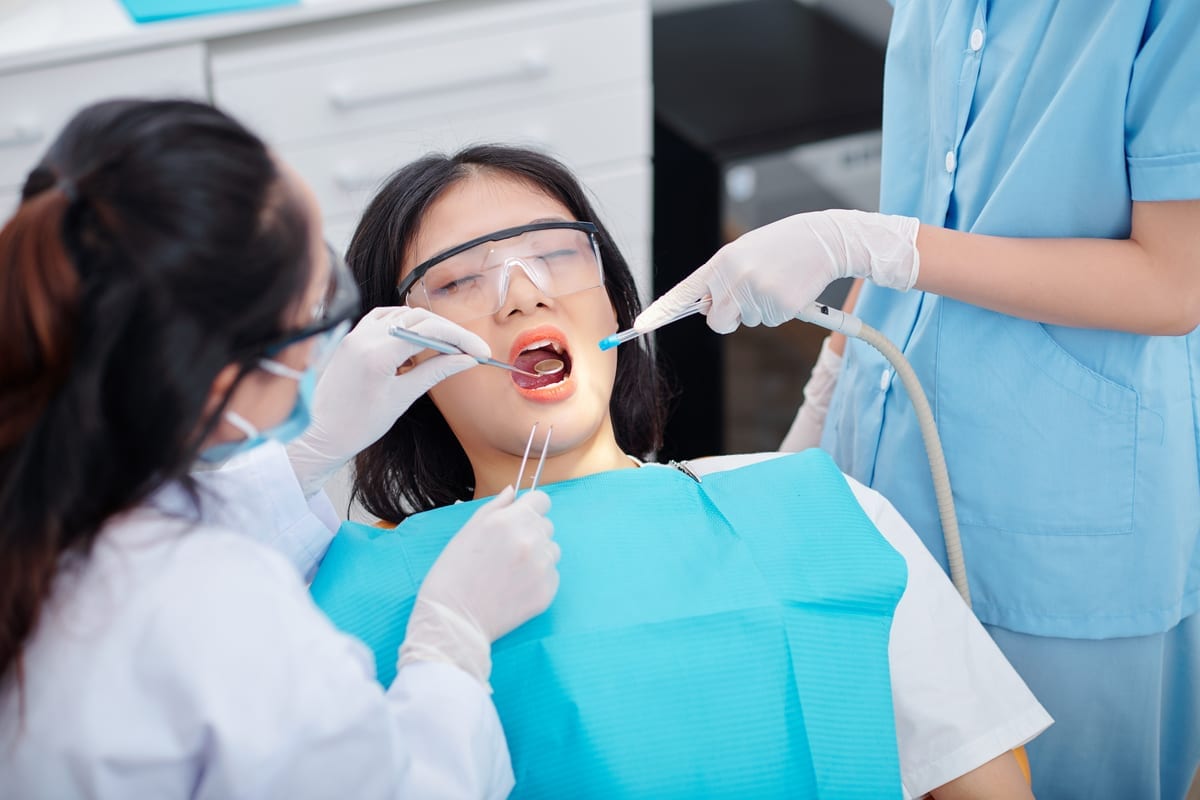
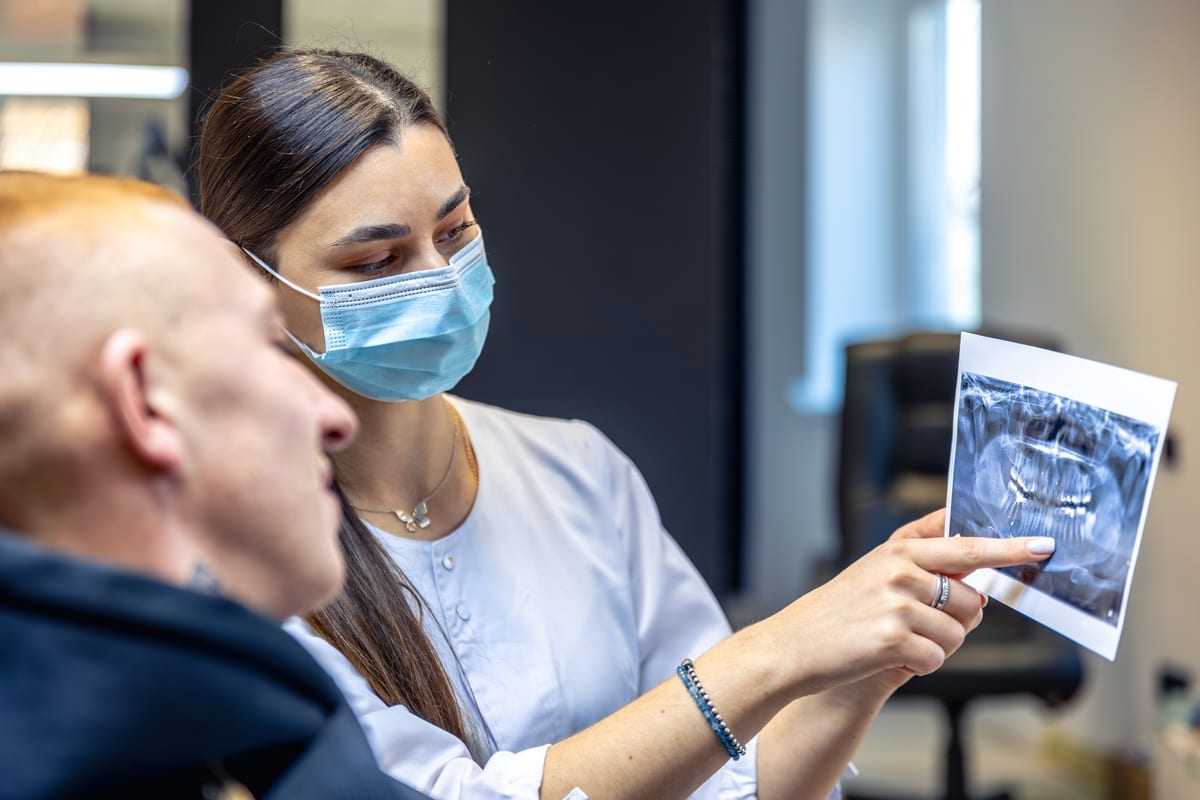
During the evaluation, the orthodontist will examine your child’s teeth, jaw, and bite. X-rays help show what is happening beneath the gumline. The provider checks tooth eruption patterns, jaw alignment, and facial symmetry.
Here is what a typical Phase 1 evaluation covers:
- Bite assessment: Checking for overbite, underbite, crossbite, or open bite.
- Jaw development review: Assessing whether the upper and lower jaws are growing properly together.
- Tooth eruption mapping: Identifying which teeth are coming in, missing, or crowded.
- Growth prediction: Estimating how the face and jaw will develop over the next few years.
- Treatment planning: Recommending monitoring, appliances, or phased care as appropriate.
Phase 1 treatment might include a palate expander, partial braces, or space maintainers. These tools work best during active growth phases. The goal is to reduce the need for more complex treatment later.
How Orthodontics Connects to Your Child’s Overall Dental Health
Orthodontic care is not just about straight teeth. Misaligned teeth are harder to clean. That means higher risk of cavities, gum disease, and other problems. Proper alignment supports long-term dental health at every age.
Children who receive early orthodontic guidance often have easier experiences in Phase 2 — the full-braces phase in adolescence. Fewer teeth may need extraction. Treatment times are often shorter. Results tend to be more stable over time.
At Premier Dental Esthetics, we also offer Cosmetic Dentistry Arcadia services for teens and adults who want to refine their smile after orthodontic treatment. Straight teeth respond beautifully to cosmetic enhancements like whitening and veneers.
We also provide Dental Emergency Arcadia care for children who experience sudden dental trauma. Knocked-out or injured teeth during youth can affect orthodontic development — prompt care matters.
What Arcadia Parents Should Do Next
If your child is approaching age seven, now is a great time to schedule a consultation. Even if everything looks fine, you will gain peace of mind. And if there is something to address, you will catch it at the ideal moment.
Start by observing your child at home. Watch for the signs listed above. Take note of how they breathe, chew, and position their jaw. Share these observations with your dental provider at the next visit.
Our team at Premier Dental Esthetics is here to guide Arcadia families through every stage of dental development. We take a gentle, educational approach with children. Our goal is to build trust — not anxiety — around dental visits.
Early orthodontic evaluation is one of the best investments you can make in your child’s health. The sooner you know, the more options you have. Book Now to schedule your appointment with our team.
Frequently Asked Questions
At what age should my child first see an orthodontist?
Most children should have their first orthodontic evaluation by age seven. At this age, enough permanent teeth have erupted to allow an orthodontist to assess bite, jaw development, and tooth alignment. Early evaluation does not always lead to immediate treatment — but it helps identify any issues while they are easiest to correct.
What are the most common early signs of orthodontic problems in children?
Common early signs include mouth breathing, thumb sucking past age four, early or late loss of baby teeth, crowded or overlapping teeth, and difficulty chewing. Bite problems like overbite, underbite, or crossbite are also visible warning signs. If you notice any of these, schedule an evaluation with an orthodontic provider.
What is Phase 1 orthodontic treatment?
Phase 1 — or interceptive orthodontics — is early treatment for children between ages six and ten. It uses appliances like palate expanders or partial braces to guide jaw growth and create space for permanent teeth. Not every child needs Phase 1 treatment, but an early evaluation helps determine who will benefit from it.
Does my child need a referral to see an orthodontist?
In most cases, no referral is needed. Parents can schedule an orthodontic consultation directly. Your child’s general dentist may also recommend an evaluation during a routine checkup. At Premier Dental Esthetics, we welcome families who want a professional assessment of their child’s dental development.
How does early orthodontic treatment benefit my child long-term?
Early treatment can reduce crowding, guide proper jaw growth, and lower the risk of more complex procedures later. Children who receive Phase 1 care often experience shorter Phase 2 treatment in their teen years. Proper alignment also makes teeth easier to clean, which supports overall dental health throughout life.
Have a question about your smile?
Dr. Peter S. Young and Dr. Clifford S. Young are happy to help. Schedule a visit or give us a call.

Patient reviews
What our patients say
“I would highly recommend Premier Dental Esthetics to everyone. High quality works, a good reason to smile after the treatment. Every staff member is very knowledgeable and great at what they do. They are very friendly and truly care about your dental health.”
“I had a great experience from start to finish. The front desk is very welcoming every time I visit. Dr. Young has done my dental work with care and precision over the years. I recommend this place because they take care of you!”
“I had been going to Dr. Peter Young for many years at Premier Dental and he and his staff have always been incredibly professional and welcoming. Dr. Young is very knowledgeable in his field and I have always had a very positive experience at this dental office.”
Common questions
Frequently asked questions
Can’t find your answer? Ask our virtual assistant in the corner, or call our front desk.
What orthodontic options do you offer?
Invisalign®, clear aligners and accelerated orthodontics — discreet ways to straighten teeth for teens and adults.
Is there a clear aligner special?
Yes. Premier Dental Esthetics offers up to $1,200 off clear aligner treatment (see the Special Offers page for terms).
How long does clear aligner treatment take?
It depends on the case. Many adults finish in about 12–18 months; accelerated orthodontics can shorten treatment for some patients. Your dentist will give you a personal estimate.
Do you accept dental insurance?
Yes. The practice accepts PPO dental insurance, including Delta Dental PPO and Cigna Dental PPO, and the team will verify your benefits and help you maximize your coverage.
Is Premier Dental Esthetics accepting new patients?
Yes. Premier Dental Esthetics in Arcadia, CA welcomes new patients for general, cosmetic, implant, restorative and emergency dentistry. Call (626) 445-2536 or request an appointment online.
Where is Premier Dental Esthetics located?
The office is at 301 W Huntington Dr #217, Arcadia, CA 91007, on Huntington Drive next to USC Arcadia Hospital.
Your new smile starts here
Ready to create the smile of your dreams?
New patients and emergencies welcome. Same-day appointments, early-morning and evening hours.