
May 11, 2026
Sedation Dentistry for Teens and Children: When Is It Actually Recommended?
 By the Premier Dental Esthetics team, led by Dr. Peter S. Young, DDS, MAGD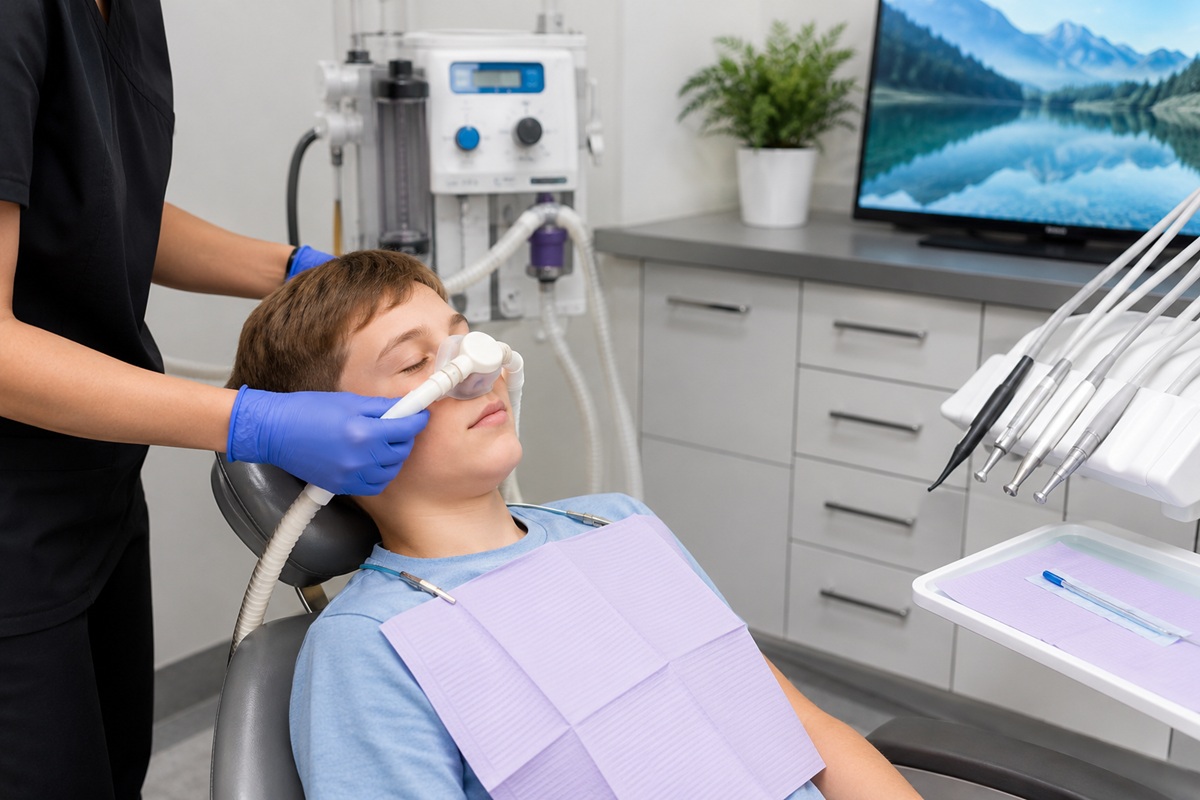
For many parents, a dental visit for their child can feel like a balancing act—wanting to protect oral health while also making sure the experience isn’t stressful or overwhelming. This is where sedation dentistry often comes into the conversation.
But sedation dentistry isn’t a “default option” for anxious kids. It’s carefully recommended only in specific situations where comfort, safety, and cooperation need extra support.
So how do you know when it’s actually appropriate for your child or teen? Let’s break it down in a simple, parent-friendly way.
What Is Sedation Dentistry for Kids and Teens?
Sedation dentistry uses mild to moderate medications to help children stay calm and relaxed during dental treatment. It does not always mean “putting the child to sleep.”
Depending on the level used, your child may:
- Stay fully awake but relaxed
- Feel sleepy or drowsy
- Have little to no memory of the procedure
The goal is simple: reduce fear, control movement, and make dental care safe and comfortable.
Common types include:
- Nitrous oxide (“laughing gas”) – mild relaxation, wears off quickly
- Oral sedation – prescribed medication taken before the appointment
- IV sedation – deeper relaxation, used only in specific clinical situations
When Is Sedation Dentistry Actually Recommended?
Sedation is not used for every child. Dentists usually recommend it only when it truly benefits the child’s safety or ability to receive care.
Here are the most common situations:
1. Severe Dental Anxiety or Fear
Some children experience intense fear of dental visits—far beyond normal nervousness. This may be due to:
- A past negative dental experience
- Fear of pain or needles
- Sensory sensitivity (sounds, smells, instruments)
If anxiety prevents them from sitting still or cooperating, sedation can help create a calm, positive experience.
2. Young Children Who Cannot Stay Still
Very young children often struggle with:
- Long procedures
- Staying open-mouthed
- Following instructions consistently
In such cases, sedation helps the dentist complete treatment safely without causing distress to the child.
3. Extensive Dental Work Needed
If a child needs multiple procedures—such as fillings, extractions, or crowns—sedation may be recommended to:
- Reduce treatment time
- Avoid multiple appointments
- Minimize discomfort and stress
This is especially helpful when dental issues are caught later and require more involved care.
4. Strong Gag Reflex or Sensory Issues
Some children and teens have:
- Overactive gag reflex
- Sensory processing challenges
- Difficulty tolerating dental instruments in the mouth
Sedation helps make treatment manageable and prevents interruptions.
5. Special Healthcare Needs
Children with developmental, behavioral, or medical conditions may find dental visits particularly challenging. Sedation can:
- Improve safety
- Reduce distress
- Allow necessary treatment to be completed properly
Each case is carefully evaluated individually.
6. Emergency Dental Treatment
When urgent dental issues arise—such as infection, trauma, or severe pain—sedation may be used to ensure quick and effective treatment, especially if the child is unable to cooperate due to discomfort.
Is Sedation Dentistry Safe for Children?
Yes—when administered by trained dental professionals, sedation is considered safe and closely monitored.
Before recommending sedation, dentists evaluate:
- Medical history
- Weight and age
- Level of anxiety or cooperation
- Type of dental procedure required
During treatment, the child’s breathing, heart rate, and oxygen levels are continuously monitored.
Safety is always the top priority.
Benefits of Sedation Dentistry for Kids and Teens
When appropriately recommended, sedation dentistry can offer several advantages:
- A calm and stress-free dental experience
- Better cooperation during treatment
- Reduced fear of future dental visits
- Faster completion of complex procedures
- Improved oral health outcomes due to timely care
For many children, a positive early dental experience can shape how they view oral health for life.
What Happens During a Sedation Appointment?
If your child is scheduled for sedation dentistry, here’s what typically happens:
- Pre-appointment instructions are provided (diet restrictions, medication guidelines if needed)
- The child is gently prepared and made comfortable
- Sedation is administered based on the treatment plan
- Dental work is completed while the child remains relaxed
- Recovery is monitored before discharge
- Parents receive aftercare instructions for at-home recovery
Most children recover quickly, especially with mild sedation like nitrous oxide.
Tips for Parents Before the Appointment
- Talk positively about the dental visit—avoid using fearful language
- Follow all pre-appointment instructions carefully
- Bring comfort items (favorite toy, blanket, etc.)
- Plan a calm rest day after the procedure if oral or IV sedation is used
- Ask questions beforehand so you feel fully informed
Final Thoughts: Making Dental Care Easier for Your Child
Sedation dentistry is not about replacing good behavior or routine care—it’s about ensuring children who genuinely struggle can still receive the treatment they need without fear or trauma.
If your child avoids dental visits, experiences anxiety, or requires complex treatment, a consultation can help determine whether sedation is appropriate.
A calm dental experience today can build a lifetime of healthier smiles tomorrow.
Ready to Make Dental Visits Easier?
If you’re in Arcadia or nearby areas and want to explore whether sedation dentistry is right for your child or teen, scheduling a consultation is the best first step. A personalized evaluation can help ensure your child receives safe, comfortable, and stress-free care tailored to their needs.
Frequently Asked Questions
Is sedation dentistry the same as general anesthesia?
No. Sedation helps relax the child, while general anesthesia puts them fully to sleep and is used only in hospital-like settings.
Will my child feel pain during treatment?
No. Local anesthesia is still used to ensure the area is numb. Sedation only helps with relaxation and anxiety.
How long does sedation last?
It depends on the type used. Nitrous oxide wears off within minutes, while oral sedation may take a few hours to fully wear off.
How do I know if my child really needs sedation?
A dental evaluation is necessary. Sedation is only recommended when it clearly benefits safety, comfort, or treatment success.
Have a question about your smile?
Dr. Peter S. Young and Dr. Clifford S. Young are happy to help. Schedule a visit or give us a call.

Patient reviews
What our patients say
“I would highly recommend Premier Dental Esthetics to everyone. High quality works, a good reason to smile after the treatment. Every staff member is very knowledgeable and great at what they do. They are very friendly and truly care about your dental health.”
“I had a great experience from start to finish. The front desk is very welcoming every time I visit. Dr. Young has done my dental work with care and precision over the years. I recommend this place because they take care of you!”
“I had been going to Dr. Peter Young for many years at Premier Dental and he and his staff have always been incredibly professional and welcoming. Dr. Young is very knowledgeable in his field and I have always had a very positive experience at this dental office.”
Common questions
Frequently asked questions
Can’t find your answer? Ask our virtual assistant in the corner, or call our front desk.
What sedation options are available?
Options include laughing gas (nitrous oxide), oral conscious sedation and IV sedation, helping anxious patients relax and sometimes complete more treatment in fewer visits.
Is sedation dentistry safe?
When provided by trained dentists with proper monitoring, sedation is very safe. Your dentist will review your medical history to choose the right option for you.
How often should I have a dental cleaning and checkup?
Most patients should have a professional cleaning and exam every six months. Patients with gum disease or higher risk may need more frequent visits.
What preventive services do you offer?
Dental cleanings, air polishing, saliva testing, fluoride treatment, sealants, custom mouthguards, oral cancer screening and children’s dental care.
Do you see children?
Yes. Premier Dental Esthetics is family-friendly. The children’s special (age 12 or younger) includes a checkup, orthodontic screening, digital x-rays and a cleaning with fluoride varnish.
Do you accept dental insurance?
Yes. The practice accepts PPO dental insurance, including Delta Dental PPO and Cigna Dental PPO, and the team will verify your benefits and help you maximize your coverage.
Your new smile starts here
Ready to create the smile of your dreams?
New patients and emergencies welcome. Same-day appointments, early-morning and evening hours.