
September 21, 2026
Is Your Mouth Ready for Dentures? What Happens Before, During, and After
 By the Premier Dental Esthetics team, led by Dr. Peter S. Young, DDS, MAGD
If you’ve been losing teeth or dealing with serious dental problems, dentures may be on your radar. Many Arcadia patients ask: Is your mouth ready for dentures? What happens before, during, and after in Arcadia? The answer depends on several factors — your oral health, bone structure, and healing ability all play a role. This guide walks you through every stage so you can feel confident about what’s ahead.
Who Is a Good Candidate for Dentures in Arcadia?
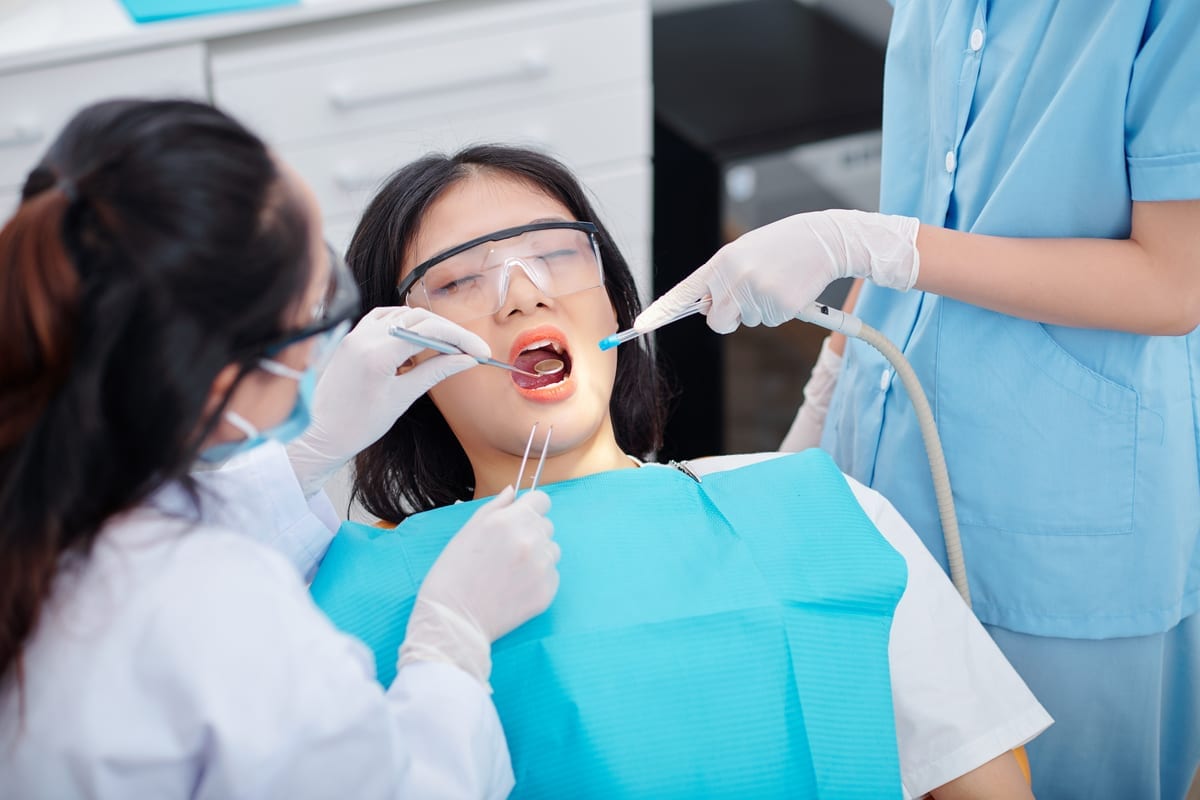
Not everyone is an immediate candidate for dentures. A proper evaluation at Premier Dental Esthetics helps determine your readiness. Your dentist will examine your gums, remaining teeth, and jawbone before recommending a treatment plan.
Good candidates for dentures typically share some common characteristics:
- Multiple missing or severely damaged teeth
- Teeth that cannot be saved with crowns or root canals
- Healthy or treatable gum tissue
- Sufficient jawbone density to support a denture
- Willingness to commit to an adjustment period
Some patients need gum disease treatment before moving forward. Others may need extractions first. Every case is unique, and your dentist will create a personalized plan based on your specific needs.
What Happens Before Getting Dentures — The Preparation Stage
Preparation is one of the most important parts of the denture process. Before any appliance is made, your mouth must be in the right condition to receive it. This stage often takes several weeks or longer.
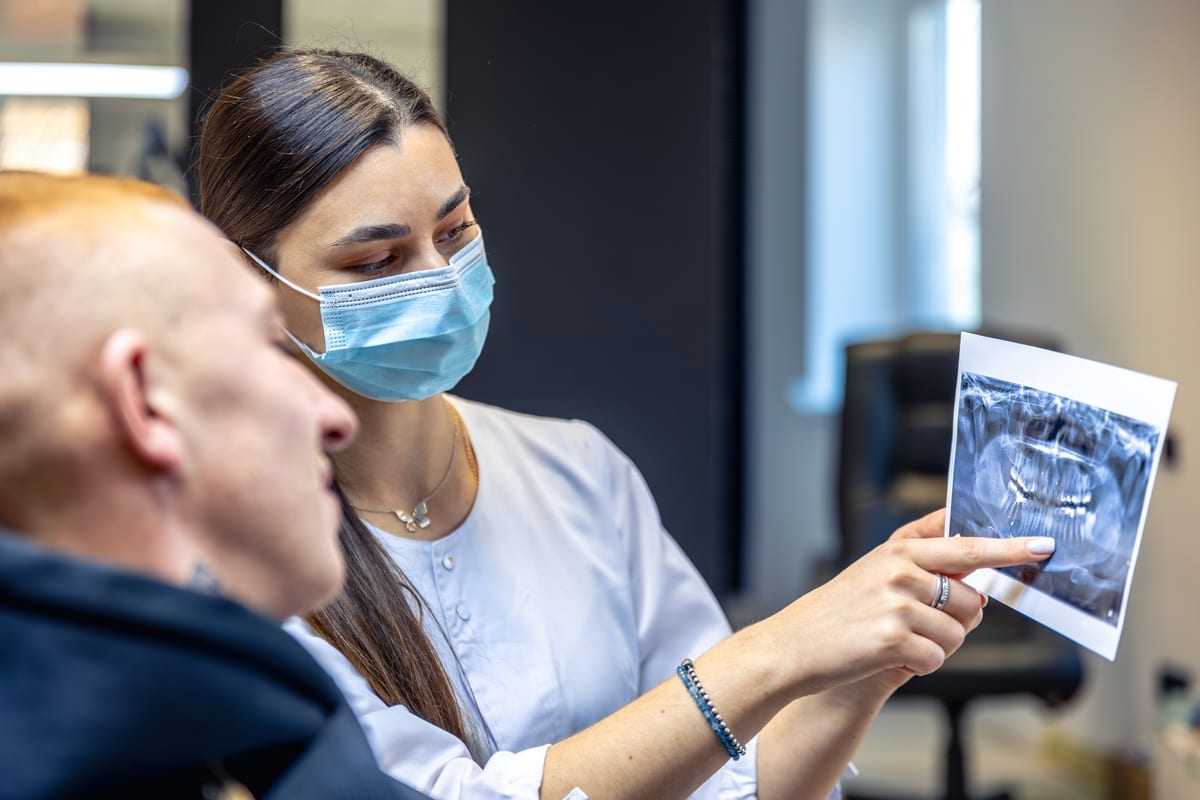
Your dentist will start with a comprehensive oral exam. X-rays help assess bone levels and identify any remaining problem teeth. If infected or broken teeth are present, they must be removed first.
Here is what the preparation stage typically involves:
- Oral health evaluation — checking for gum disease, decay, and bone loss
- Treatment of existing issues — gum therapy or fillings if needed
- Tooth extractions — removing teeth that cannot be saved
- Healing period — allowing gum tissue and bone to stabilize
- Impressions and measurements — capturing the exact shape of your mouth
The healing period after extractions is critical. Your gums need time to shrink and settle before a final denture can fit properly. Rushing this step often leads to poor fit and discomfort later.
Tooth Extraction and Healing — What to Expect
Tooth extraction is often a necessary step before dentures. The process is straightforward, but the healing timeline varies from person to person. Most patients heal significantly within four to six weeks, though full bone remodeling can take several months.
Immediately after extraction, some swelling and soreness are normal. Your dentist will provide aftercare instructions to protect the extraction site. Following these instructions closely speeds up healing and reduces complications.
During the healing phase, you may receive an immediate or temporary denture. This allows you to eat and speak while your gums heal. However, temporary dentures often require adjustments as your gum tissue changes shape.
If you experience unexpected pain, prolonged bleeding, or signs of infection during this time, contact our office promptly. Situations like these may require urgent attention from a Dental Emergency Arcadia provider to prevent complications from worsening.
The Fitting Process — During and After Your Dentures Are Placed
Once your mouth has healed adequately, your dentist takes precise impressions. These impressions go to a dental lab where your custom denture is crafted. The process usually requires multiple appointments to ensure proper fit and bite alignment.
At your fitting appointment, your dentist checks several things:
- How the denture rests against your gum tissue
- Whether your bite feels balanced and natural
- How the denture looks when you smile and speak
- Any pressure points that need adjustment
Minor adjustments are completely normal after placement. Most patients return for one or two follow-up visits to fine-tune the fit. Your comfort is the priority throughout this process.
After your dentures are placed, an adjustment period begins. Speaking and eating may feel different at first. Most patients adapt within a few weeks with consistent wear and practice. Denture adhesive can help during this initial phase if needed.
Long-Term Care and What Comes After
Dentures require daily care to stay clean and functional. Remove them each night to give your gum tissue a chance to rest. Brush them gently with a soft brush and non-abrasive cleanser every day.
Even with full dentures, regular dental visits remain important. Your dentist checks the fit, examines your gum tissue, and screens for oral health changes. Bone resorption can cause dentures to loosen over time, requiring relining or replacement.
Some patients later explore dental implants as a long-term alternative or complement to traditional dentures. Implant-supported dentures offer greater stability and help preserve jawbone density. Your dentist at Premier Dental Esthetics can discuss whether this upgrade makes sense for your situation.
If you are curious about enhancing your smile beyond function, options like veneers and teeth whitening may also be worth exploring. A consultation with our Cosmetic Dentistry Arcadia team can help you understand all your aesthetic options alongside your denture treatment.
Taking the First Step Toward Dentures in Arcadia
Understanding what happens before, during, and after dentures makes the process far less intimidating. The key is starting with an honest evaluation of your oral health. From there, your dentist guides you through each stage at a pace that works for you.
Premier Dental Esthetics serves patients throughout Arcadia, CA with compassionate, patient-centered care. Our team takes time to answer your questions and explain every step clearly. You should never feel rushed or uninformed during such an important decision.
If you are wondering whether your mouth is ready for dentures, the best way to find out is to schedule a consultation. Book Now to schedule your appointment with our team.
Frequently Asked Questions
How do I know if I need dentures or another treatment?
Your dentist will evaluate the condition of your remaining teeth, gums, and jawbone. If most of your teeth are missing or cannot be saved, dentures are often the recommended option. Alternatives like dental implants or bridges may apply to partial tooth loss. A thorough exam at Premier Dental Esthetics will clarify the best path for you.
How long does the entire denture process take from start to finish?
The full timeline varies depending on how much preparation your mouth needs. If extractions are required, healing alone can take four to eight weeks. From initial evaluation to receiving your final denture, the process typically ranges from two to six months. Complex cases involving bone loss or gum disease may take longer.
Will dentures affect how I eat and speak?
Yes, but these changes are temporary for most patients. Speaking may feel different at first because your tongue adjusts to the new appliance. Eating soft foods during the adjustment period helps build confidence. Most patients adapt fully within three to four weeks of consistent wear.
Do dentures look natural?
Modern dentures are designed to closely resemble natural teeth and gum tissue. Your dentist selects tooth shades and shapes that complement your facial features. With proper fit and professional craftsmanship, most people cannot tell the difference from a normal conversational distance. A well-fitting denture also improves your overall facial appearance.
What happens if my denture feels loose over time?
Bone naturally resorbs after tooth loss, which can cause dentures to loosen gradually. Regular dental visits allow your dentist to catch fit changes early. Relining the denture — adding material to improve the fit — is a common and straightforward solution. In some cases, implant-supported dentures provide a more stable long-term option.
Have a question about your smile?
Dr. Peter S. Young and Dr. Clifford S. Young are happy to help. Schedule a visit or give us a call.

Patient reviews
What our patients say
“I had been going to Dr. Peter Young for many years at Premier Dental and he and his staff have always been incredibly professional and welcoming. Dr. Young is very knowledgeable in his field and I have always had a very positive experience at this dental office.”
“Dr Young did an excellent job filling my cavities and fitting my crown. I’ve been taken care of by Dr Young and his wonderful staff for over 10 years and my family trusts them 100%. If they have time for new patients you will be glad to have Dr Peter Young as your dentist.”
“Dr. Peter Young is an amazing dentist with his patient's well being at the forefront. He's very knowledgable in the dental field and is always on the lookout of how he can continue to improve the lives of his patients. The facility is beautiful and immediately alleviated my fears of the dentist. The staff is the icing on top of the cake.”
Common questions
Frequently asked questions
Can’t find your answer? Ask our virtual assistant in the corner, or call our front desk.
What types of dentures are available?
Options include full and partial dentures, as well as implant-supported dentures and All-on-X full-arch implants for a more secure, non-removable fit.
What are dental implants?
A dental implant is a small post placed in the jawbone that replaces the root of a missing tooth and supports a crown, bridge or denture that looks, feels and functions like a natural tooth.
What implant treatments do you offer?
Single and multiple tooth implants, All-on-X full-arch implants, ceramic implants, guided implant surgery, bone and sinus grafting, and platelet rich fibrin (PRF) to support healing.
How much does an implant consultation cost?
Premier Dental Esthetics offers an implant consultation with a 3D CT scan for $159 (see the Special Offers page for current terms).
What technology is used for implant placement?
The office uses a 3D cone beam CT scanner and guided implant surgery to plan implant position precisely before treatment.
Do you accept dental insurance?
Yes. The practice accepts PPO dental insurance, including Delta Dental PPO and Cigna Dental PPO, and the team will verify your benefits and help you maximize your coverage.
Your new smile starts here
Ready to create the smile of your dreams?
New patients and emergencies welcome. Same-day appointments, early-morning and evening hours.